New Delhi:
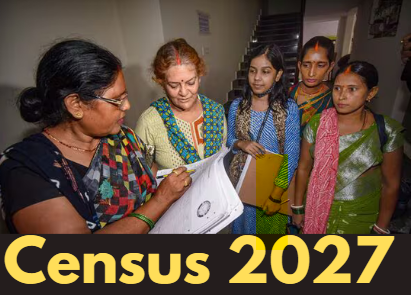
After a long delay of over a decade, India is finally set to conduct its next national census, starting March 1, 2027. This will be the 16th Census of India and the first-ever digital census in the country’s history. The government has confirmed that the process will begin early in hill states, such as Himachal Pradesh, Uttarakhand, and parts of Jammu & Kashmir, from October 2026, considering the weather and accessibility challenges in these regions.
Why Was the Census Delayed?
India’s decennial census was originally scheduled to be held in 2021, but it faced repeated delays due to the COVID-19 pandemic, which made door-to-door enumeration unsafe. Additionally, technical preparations for conducting a digital census also required more time than initially planned. This has been the longest gap between two census exercises since India’s independence.
What’s New in Census 2027?
The 2027 census will be a digitally driven process, using:
- A specially developed mobile app for data collection
- Online self-enumeration options for the public
- GPS-enabled data verification
- Digital house-listing and population enumeration
- Enumerators will be trained to use tablets or smartphones, aiming to reduce paperwork and enhance the accuracy of the data.
Why Hill States Will Start Early?
In hill states, where heavy snowfall and difficult terrain can limit access during winter months, the census process traditionally begins earlier. Hence, in October 2026, enumerators will start the process in these areas to ensure smooth operation before extreme weather sets in.
Importance of the Census
The census is a critical exercise for a country like India with a population of over 1.4 billion. The data collected helps in:
- Policy planning at national and state levels
- Allocation of funds to states and districts
- Determining the number of parliamentary and assembly seats
- Implementation of welfare schemes
- Monitoring population growth, literacy, employment, migration, and other key indicators
Next Steps
The Ministry of Home Affairs and the Office of the Registrar General of India (RGI) will soon issue training schedules, technical guidelines, and a nationwide awareness campaign to prepare the public and government machinery for the mega task.
Officials expect the use of technology to make the process faster, more transparent, and cost-efficient, although robust cybersecurity and data privacy measures will also be implemented.
Conclusion
After years of waiting, India is all set to resume one of its most important statistical operations. With the promise of digital transformation and early preparations in hill regions, the Census 2027 marks a new chapter in India’s demographic data management.
About The Author